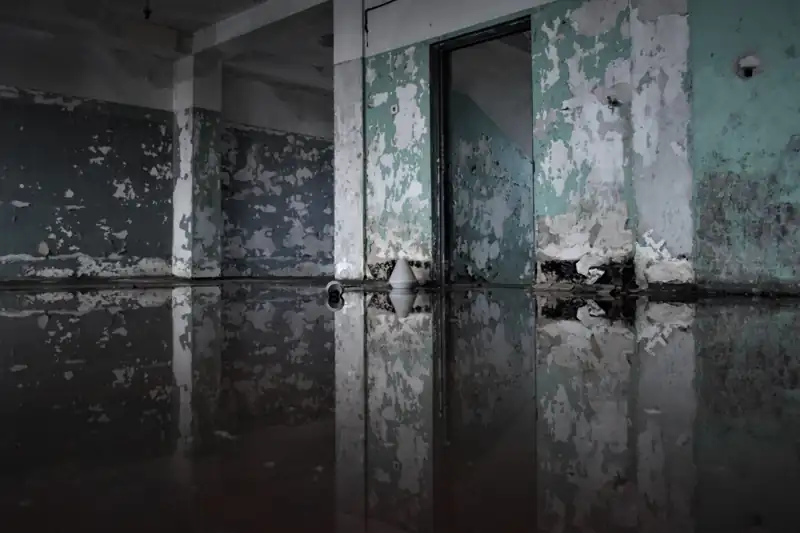
First steps after a flood
Flood cleanup in Bothell starts with safety: treat outside floodwater as contaminated Category 3 water. Stay out of standing water near electrical outlets, photograph the damage, report it to your insurer, and get the water out and the structure dried quickly. The US EPA advises drying wet materials within 24 to 48 hours to help prevent mold.
- Stay safe. Call 911 in an emergency. Keep away from wet outlets and appliances.
- Record everything. Take photos and video before cleanup starts.
- Report it. Contact your insurer, or your flood insurer if you have a separate policy.
- Remove water and dry. Extraction and drying equipment are usually needed for basements and crawlspaces.
- Check hidden spaces. The City of Bothell suggests checking basements, crawlspaces and attics for moisture, since finding it early helps prevent mold.
Sources: US EPA: Mold remediation guide, Chapter 4; City of Bothell: Rain and flooding.
Flood facts for Bothell
The Sammamish River runs through Bothell and is fed partly by North Creek and Swamp Creek. Bothell's hazard plan lists December 2007 as the most recent significant flood and notes that minor flooding happens fairly often in low spots along North Creek.
Sources: King County Regional Hazard Mitigation Plan: City of Bothell annex (2025); King County: Sammamish River watershed flooding; City of Bothell: Flood prevention.
Flood insurance in Washington
Standard home and renter policies in Washington exclude flooding. Coverage comes from the National Flood Insurance Program or a private flood policy, and NFIP coverage usually starts 30 days after purchase.
| Question | What the Insurance Commissioner says |
|---|---|
| Does a standard home policy cover flooding? | No, flooding is specifically excluded |
| Where do I get flood coverage? | NFIP or a private flood insurer |
| Standard NFIP limits | $250,000 for the home, $100,000 for contents |
| Waiting period | Usually 30 days after purchase |
| Risk outside high-risk zones | Nearly one third of flood claims come from outside them (FEMA) |
Source: WA Office of the Insurance Commissioner: Flood insurance.
Check your risk and get alerts
- Look up your address on the FEMA Flood Map Service Center.
- Sign up for free river and creek flood alerts from King County.
- Follow watches, warnings and river forecasts from the National Weather Service Seattle/Tacoma.
- Rake leaves off nearby storm drains before heavy rain, as the City of Bothell asks residents to do.
- Report minor street or drainage flooding to City of Bothell Public Works at 425-488-0118, option 1. See Rain and flooding.
Basements and crawlspaces after a flood
Basements and crawlspaces hold water long after the rain stops, and they're where mold tends to start. Get standing water pumped out, wet insulation removed and the space dried with dehumidifiers before you close anything up.
- Check the crawlspace even if the living space looks dry. Water pools there first.
- Pull wet carpet and pad off basement floors quickly; they won't dry in place.
- Look for a water line on walls and furniture and photograph it for your claim.
- Keep the furnace and water heater off if water reached them, and have them checked before restarting.
- Watch for a musty smell over the next weeks. It's often the first sign of mold.
The City of Bothell recommends checking basements, crawlspaces and attics for moisture after flooding. Source: City of Bothell: Rain and flooding.
Before the next rainy season
- Price a flood policy now. NFIP coverage usually waits 30 days.
- Rake leaves off the storm drain nearest your house before big storms.
- Clean gutters and point downspouts away from the foundation.
- Move valuables and paperwork off basement floors.
- Sign up for King County flood alerts and follow NWS Seattle warnings.
Sources: WA Office of the Insurance Commissioner: Flood insurance; City of Bothell: Flood prevention; King County: Sammamish River watershed flooding; National Weather Service Seattle/Tacoma.
Sewage in the floodwater?
If floodwater came up through floor drains or toilets, it may contain sewage. See sewage cleanup in Bothell for safety steps, and water damage restoration in Bothell for indoor leaks and burst pipes. Wondering what your policy pays for? Read our guide to water damage insurance in Washington.
Flood cleanup questions
Does homeowners insurance cover flooding in Washington?
No. Washington's Office of the Insurance Commissioner says standard home and renter policies specifically exclude flooding. Flood coverage comes from the National Flood Insurance Program or a private flood insurer. Water from a burst pipe is different and is often covered, so tell your insurer exactly where the water came from.
How long before flood insurance starts?
Usually 30 days. Washington's Office of the Insurance Commissioner says NFIP coverage generally starts 30 days after you buy it. That's why waiting until a storm is in the forecast doesn't work. If you live near North Creek or the Sammamish River, it's worth pricing a policy now.
Do I need flood insurance outside a high-risk zone?
It's worth thinking about. Washington's Office of the Insurance Commissioner, citing FEMA, says nearly one third of flood claims come from outside high-risk areas. You can look up your address on the FEMA Flood Map Service Center, then ask an agent what a policy would cost.
When did Bothell last have a major flood?
The King County hazard plan annex for Bothell lists December 2007 as the most recent significant flood, when some homes and a business park were evacuated. It also notes that minor flooding happens fairly often in low spots along North Creek, so smaller events are more common.
Whom do I call about street flooding in Bothell?
Call 911 if anyone is in danger. For minor street or drainage flooding, the City of Bothell asks residents to call Public Works at 425-488-0118, option 1, and crews respond when it's safe. For water inside your home, call a restoration company. We can connect you.